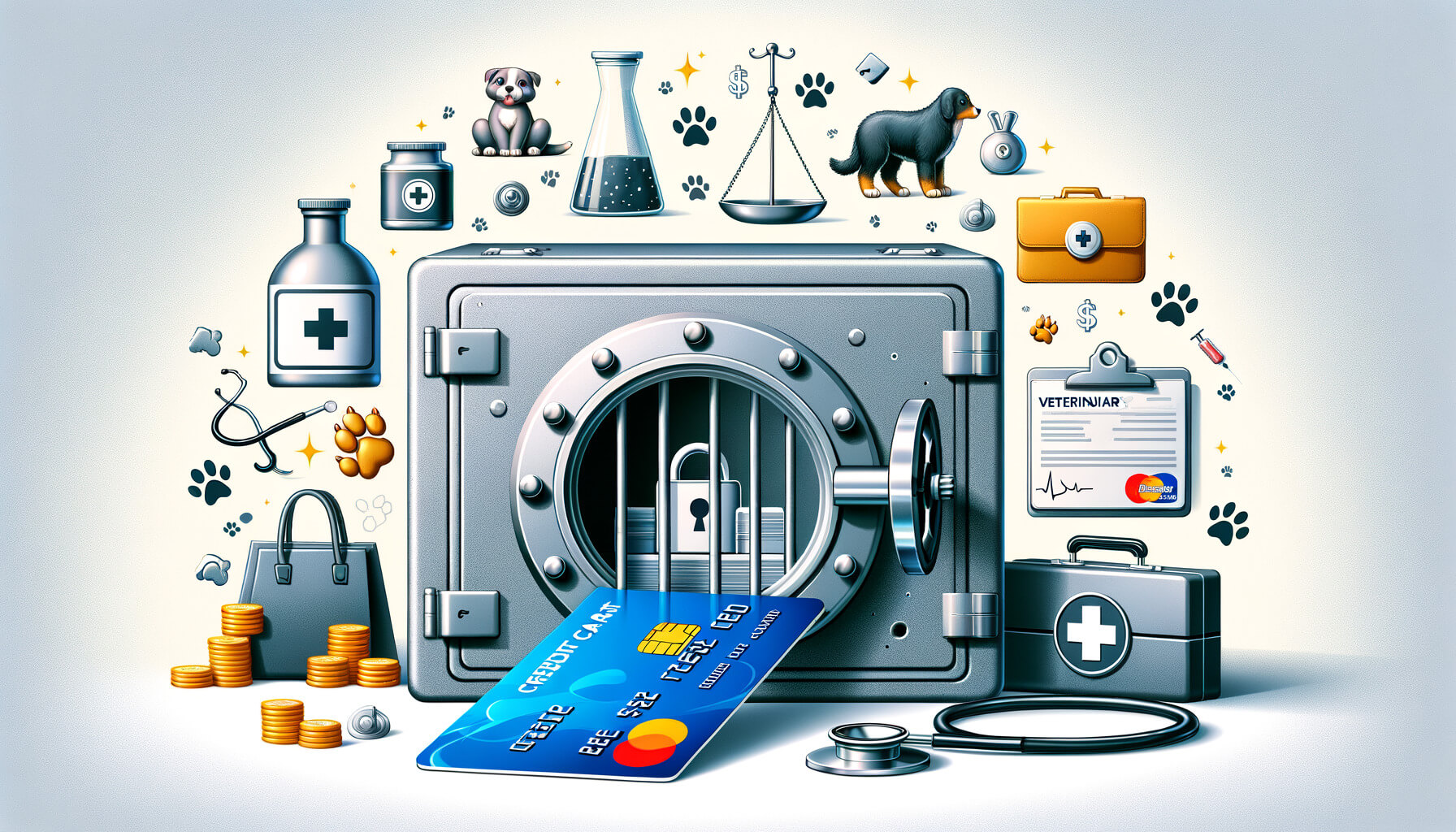
In today’s digital age, secure payment processing has become a necessity for businesses across various industries, including veterinary practices. With the increasing reliance on technology and online transactions, it is crucial for veterinary practices to prioritize data security, protect client trust and confidentiality, mitigate the risk of fraud and identity theft, comply with industry standards, and choose the right payment processing solution.
This article will delve into the importance of secure payment processing in veterinary practices and explore the various aspects that make it essential for their success.
The Importance of Secure Payment Processing in Veterinary Practices
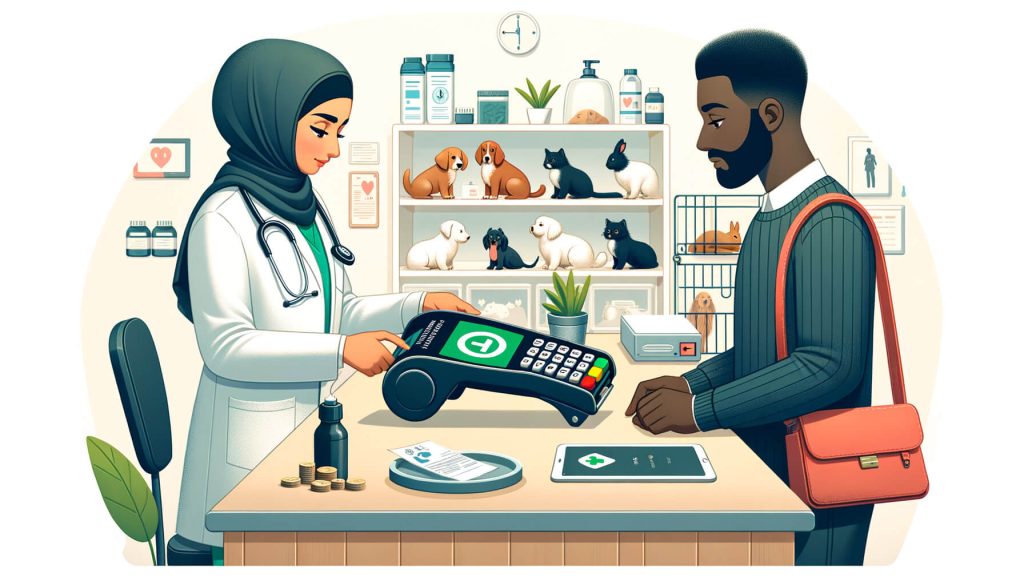
Secure payment processing is of utmost importance in veterinary practices due to several reasons. Firstly, it ensures the protection of sensitive client information, such as credit card details and personal data. Veterinary practices often handle a significant amount of client information, including medical records, billing details, and contact information. Without secure payment processing, this data is vulnerable to unauthorized access, leading to potential breaches and identity theft.
Secondly, secure payment processing helps to build and maintain client trust. Clients expect their personal and financial information to be handled with the utmost care and confidentiality. By implementing secure payment processing systems, veterinary practices can assure their clients that their data is protected, fostering trust and loyalty.
Thirdly, secure payment processing reduces the risk of financial fraud. Veterinary practices are not immune to fraudulent activities, and without proper security measures in place, they can become easy targets for cybercriminals. By implementing secure payment processing solutions, veterinary practices can significantly reduce the risk of fraudulent transactions and protect their revenue.
Ensuring Data Security in Veterinary Payment Processing

Data security is a critical aspect of secure payment processing in veterinary practices. To ensure data security, veterinary practices must implement robust security measures at every stage of the payment process. This includes encrypting sensitive data, implementing firewalls and intrusion detection systems, regularly updating software and systems, and conducting regular security audits.
One of the primary methods of ensuring data security is through the use of encryption. Encryption involves converting sensitive data into an unreadable format, which can only be decrypted with the appropriate encryption key. By encrypting client information during transmission and storage, veterinary practices can protect it from unauthorized access.
Firewalls and intrusion detection systems are also essential components of data security. Firewalls act as a barrier between the internal network of the veterinary practice and external networks, monitoring and controlling incoming and outgoing traffic. Intrusion detection systems, on the other hand, detect and respond to any unauthorized attempts to access the network or sensitive data.
Regular software and system updates are crucial for maintaining data security. Updates often include security patches that address vulnerabilities and protect against emerging threats. By keeping their systems up to date, veterinary practices can ensure that they are equipped with the latest security measures.
Conducting regular security audits is another important aspect of data security. These audits involve assessing the effectiveness of existing security measures, identifying potential vulnerabilities, and implementing necessary improvements. By regularly reviewing their security practices, veterinary practices can stay proactive in protecting client data.
Protecting Client Trust and Confidentiality

Client trust and confidentiality are paramount in veterinary practices. Clients entrust their beloved pets’ health and well-being to these practices, and it is essential to maintain their trust by safeguarding their personal and financial information.
Secure payment processing plays a crucial role in protecting client trust and confidentiality. By implementing secure payment processing solutions, veterinary practices can assure their clients that their sensitive information is handled with the utmost care and confidentiality. This includes protecting client data from unauthorized access, ensuring secure transmission of information, and securely storing data.
When clients see that a veterinary practice prioritizes data security, they are more likely to trust the practice with their personal and financial information. This trust can lead to increased client satisfaction, loyalty, and positive word-of-mouth referrals.
Mitigating the Risk of Fraud and Identity Theft
Fraud and identity theft are significant concerns for veterinary practices. Without secure payment processing, these practices are vulnerable to various fraudulent activities, including stolen credit card information, unauthorized transactions, and identity theft.
Secure payment processing solutions help mitigate the risk of fraud and identity theft by implementing various security measures. These measures include encryption, tokenization, fraud detection systems, and two-factor authentication.
Encryption, as mentioned earlier, converts sensitive data into an unreadable format, making it virtually impossible for unauthorized individuals to access and decipher the information. Tokenization, on the other hand, replaces sensitive data with unique tokens, ensuring that even if the token is intercepted, it cannot be used to retrieve the original data.
Fraud detection systems are designed to identify suspicious transactions and patterns, flagging them for further investigation. These systems use advanced algorithms and machine learning to analyze transaction data and detect any anomalies or potential fraudulent activities.
Two-factor authentication adds an extra layer of security by requiring users to provide two forms of identification before accessing sensitive information or authorizing transactions. This can include a combination of passwords, PINs, biometric data, or one-time verification codes.
By implementing these security measures, veterinary practices can significantly reduce the risk of fraud and identity theft, protecting both their clients and their own financial well-being.
Compliance with Payment Card Industry Data Security Standards (PCI DSS)
Compliance with Payment Card Industry Data Security Standards (PCI DSS) is essential for veterinary practices that accept credit card payments. PCI DSS is a set of security standards established by major credit card companies to ensure the protection of cardholder data.
Complying with PCI DSS requirements helps veterinary practices maintain the security and integrity of cardholder data, reducing the risk of data breaches and potential financial liabilities. Failure to comply with these standards can result in severe consequences, including fines, penalties, and reputational damage.
To achieve PCI DSS compliance, veterinary practices must adhere to several requirements, including maintaining a secure network, protecting cardholder data, implementing strong access control measures, regularly monitoring and testing networks, and maintaining an information security policy.
Maintaining a secure network involves implementing firewalls, encrypting data transmissions, and regularly updating security systems. Protecting cardholder data requires the implementation of encryption, tokenization, and secure storage practices. Strong access control measures involve restricting access to cardholder data on a need-to-know basis and assigning unique IDs to individuals with computer access.
Regular monitoring and testing of networks are crucial for identifying and addressing vulnerabilities and potential security breaches. This includes conducting regular security audits, vulnerability scans, and penetration testing. Lastly, maintaining an information security policy ensures that all employees are aware of their responsibilities and obligations regarding data security.
By complying with PCI DSS requirements, veterinary practices can demonstrate their commitment to data security and protect themselves and their clients from potential breaches and financial losses.
Choosing the Right Payment Processing Solution for Veterinary Practices
Choosing the right payment processing solution is crucial for veterinary practices to ensure secure and efficient transactions. There are several factors to consider when selecting a payment processing solution, including security features, ease of use, compatibility with existing systems, cost-effectiveness, and customer support.
Firstly, veterinary practices should prioritize security features when choosing a payment processing solution. Look for solutions that offer encryption, tokenization, fraud detection systems, and two-factor authentication. These features will help protect sensitive client data and reduce the risk of fraud and identity theft.
Ease of use is another important factor to consider. The payment processing solution should be user-friendly and intuitive, allowing veterinary staff to process transactions quickly and efficiently. Complicated or cumbersome systems can lead to errors and delays, negatively impacting the client experience.
Compatibility with existing systems is crucial to ensure seamless integration and minimize disruptions to daily operations. The payment processing solution should be able to integrate with the practice management software and other relevant systems, allowing for easy access to transaction data and streamlined workflows.
Cost-effectiveness is also a significant consideration. Veterinary practices should evaluate the pricing structure of different payment processing solutions, including transaction fees, monthly fees, and any additional charges. It is important to find a solution that offers competitive pricing without compromising on security and functionality.
Lastly, customer support is essential when selecting a payment processing solution. Veterinary practices should choose a provider that offers reliable and responsive customer support, ensuring that any issues or concerns can be addressed promptly.
By carefully considering these factors, veterinary practices can choose the right payment processing solution that meets their specific needs and ensures secure and efficient transactions.
Benefits of Secure Payment Processing for Veterinary Practices
Secure payment processing offers numerous benefits for veterinary practices. These benefits extend beyond data security and include improved efficiency, increased revenue, enhanced client satisfaction, and simplified financial management.
One of the primary benefits of secure payment processing is improved efficiency. With secure payment processing solutions, veterinary practices can process transactions quickly and accurately, reducing the time spent on manual data entry and reconciliation. This allows staff to focus on providing quality care to their patients and improves overall practice productivity.
Secure payment processing also contributes to increased revenue for veterinary practices. By offering convenient and secure payment options, practices can attract more clients and encourage repeat business. Clients are more likely to choose a veterinary practice that offers secure payment options, as it instills confidence and trust in the practice.
Enhanced client satisfaction is another significant benefit of secure payment processing. Clients appreciate the convenience and security of various payment options, such as credit cards, debit cards, and mobile payments. By offering these options, veterinary practices can meet the evolving needs and preferences of their clients, leading to higher levels of satisfaction and loyalty.
Secure payment processing also simplifies financial management for veterinary practices. With integrated payment processing solutions, transaction data is automatically recorded and reconciled with the practice management software. This eliminates the need for manual data entry and reduces the risk of errors. Additionally, detailed transaction reports and analytics provide valuable insights into the practice’s financial performance, allowing for better decision-making and planning.
Overall, secure payment processing offers numerous benefits for veterinary practices, including improved efficiency, increased revenue, enhanced client satisfaction, and simplified financial management. By prioritizing secure payment processing, veterinary practices can position themselves for success in today’s digital landscape.
Frequently Asked Questions (FAQs)
Q1: What is secure payment processing?
Secure payment processing refers to the implementation of security measures and protocols to protect sensitive client information during payment transactions. This includes encryption, tokenization, fraud detection systems, and two-factor authentication.
Q2: Why is secure payment processing important for veterinary practices?
Secure payment processing is important for veterinary practices to protect client data, build trust, mitigate the risk of fraud and identity theft, comply with industry standards, and choose the right payment processing solution.
Q3: How can veterinary practices ensure data security in payment processing?
Veterinary practices can ensure data security in payment processing by implementing encryption, firewalls, intrusion detection systems, regular software updates, and conducting security audits.
Q4: How does secure payment processing protect client trust and confidentiality?
Secure payment processing protects client trust and confidentiality by assuring clients that their sensitive information is handled with care and confidentiality. This fosters trust, loyalty, and positive word-of-mouth referrals.
Q5: How does secure payment processing mitigate the risk of fraud and identity theft?
Secure payment processing mitigates the risk of fraud and identity theft by implementing encryption, tokenization, fraud detection systems, and two-factor authentication. These measures make it difficult for cybercriminals to access and misuse sensitive data.
Q6: What is PCI DSS compliance, and why is it important for veterinary practices?
PCI DSS compliance refers to adhering to the Payment Card Industry Data Security Standards. It is important for veterinary practices to protect cardholder data, reduce the risk of data breaches, and avoid potential fines and penalties.
Q7: What factors should veterinary practices consider when choosing a payment processing solution?
Veterinary practices should consider security features, ease of use, compatibility with existing systems, cost-effectiveness, and customer support when choosing a payment processing solution.
Q8: What are the benefits of secure payment processing for veterinary practices?
The benefits of secure payment processing for veterinary practices include improved efficiency, increased revenue, enhanced client satisfaction, and simplified financial management.
Conclusion
Secure payment processing is essential for veterinary practices in today’s digital landscape. It ensures the protection of sensitive client information, builds and maintains client trust and confidentiality, mitigates the risk of fraud and identity theft, ensures compliance with industry standards, and allows for the selection of the right payment processing solution.
By prioritizing secure payment processing, veterinary practices can safeguard client data, enhance operational efficiency, increase revenue, and provide a seamless and secure payment experience for their clients.