
Credit card processing fees have become an integral part of modern business transactions, including veterinary practices. As more and more pet owners prefer the convenience of paying with credit cards, veterinary practices must understand the impact of these fees on their bottom line.
In this article, we will explore the various types of credit card processing fees, their implications for veterinary practices, strategies to minimize these fees, the role of payment processors, and address frequently asked questions about credit card processing fees in veterinary practices.
Types of Credit Card Processing Fees

To fully comprehend the impact of credit card processing fees on veterinary practices, it is essential to understand the different types of fees involved. The primary types of credit card processing fees include interchange fees, assessment fees, and markup fees.
Interchange fees are charged by the card networks, such as Visa or Mastercard, and are a percentage of the transaction amount. These fees vary depending on factors such as the type of card used (debit, credit, rewards), the risk associated with the transaction, and the processing method (swiped, keyed, online).
Assessment fees are charged by the card networks to cover their operational costs. These fees are typically a small percentage of the transaction amount and are non-negotiable.
Markup fees, also known as processing fees or merchant account fees, are charged by the payment processor or merchant service provider. These fees can vary significantly between providers and are negotiable to some extent. Markup fees may include a flat fee per transaction, a percentage of the transaction amount, or a combination of both.
Understanding the Impact of Credit Card Processing Fees on Veterinary Practices
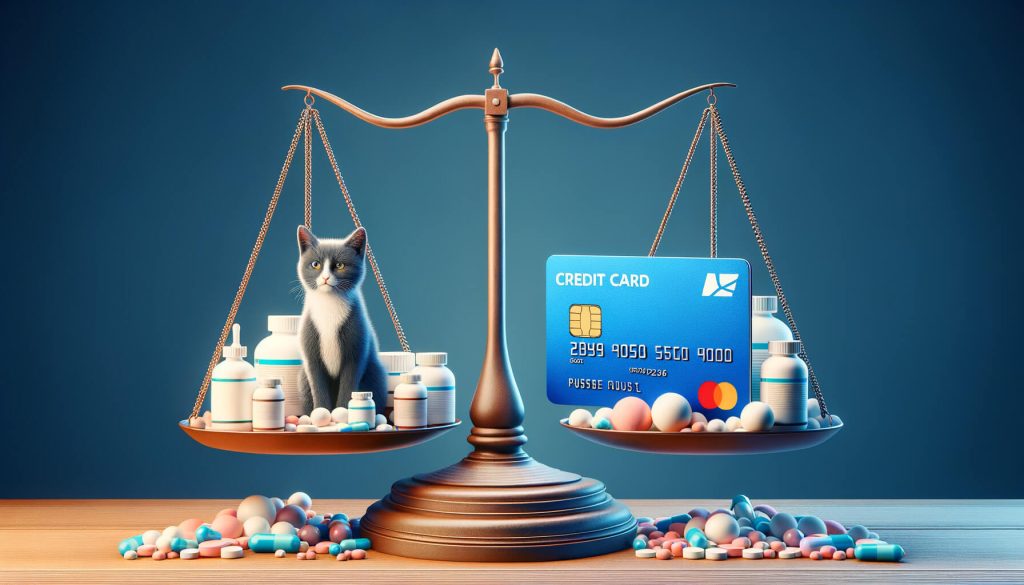
Credit card processing fees can have a substantial impact on the financial health of veterinary practices. These fees directly affect the practice’s profitability and can erode profit margins if not managed effectively. Here are some key ways in which credit card processing fees impact veterinary practices:
- Increased Cost of Doing Business: Credit card processing fees add to the overall cost of running a veterinary practice. As these fees are typically a percentage of the transaction amount, practices with higher transaction volumes may face significant expenses.
- Reduced Profit Margins: Veterinary practices operate on tight profit margins, and credit card processing fees can eat into these margins. The higher the fees, the lower the practice’s profitability, making it crucial to find ways to minimize these costs.
- Impact on Pricing: To offset the cost of credit card processing fees, some veterinary practices may be tempted to increase their prices. However, this can make their services less competitive and potentially drive away clients.
- Cash Flow Management: Credit card processing fees can also impact cash flow management for veterinary practices. Depending on the payment processor’s policies, funds from credit card transactions may be held for a certain period before being deposited into the practice’s bank account. This delay can affect the practice’s ability to meet immediate financial obligations.
- Customer Satisfaction: In today’s digital age, customers expect the convenience of paying with credit cards. If a veterinary practice does not accept credit cards or imposes additional fees on customers for using them, it may lead to dissatisfaction and loss of business.
Strategies to Minimize Credit Card Processing Fees in Veterinary Practices

While credit card processing fees are unavoidable for veterinary practices, there are strategies they can employ to minimize these costs. By implementing the following strategies, practices can optimize their payment processing and reduce the impact of fees:
- Shop Around for Payment Processors: Veterinary practices should compare rates and fees from multiple payment processors to find the most competitive option. It is essential to consider not only the markup fees but also the quality of service and additional features offered by the processor.
- Negotiate Fees: Payment processors are often willing to negotiate fees, especially for practices with high transaction volumes. Veterinary practices should leverage their bargaining power to secure lower rates and favorable terms.
- Understand Interchange Fees: Interchange fees are set by the card networks and are non-negotiable. However, practices can optimize their payment processing by understanding the factors that influence interchange rates. For example, using chip-enabled terminals and obtaining complete transaction information can help qualify for lower interchange rates.
- Implement Cost-Effective Payment Methods: Some payment methods, such as ACH transfers or electronic checks, have lower processing fees compared to credit cards. Veterinary practices can encourage clients to use these methods by offering incentives or discounts.
- Review Statements Regularly: Veterinary practices should review their payment processing statements regularly to identify any hidden fees or unnecessary charges. This proactive approach can help identify areas for cost savings and ensure transparency in the payment processing relationship.
- Invest in Payment Technology: Upgrading payment technology can help streamline the payment process and reduce the risk of errors or chargebacks. Practices should consider investing in secure and efficient payment terminals or online payment gateways to optimize their payment processing.
- Educate Staff and Clients: Properly training staff on payment processing procedures can help minimize errors and reduce the risk of chargebacks. Additionally, educating clients about the costs associated with credit card processing and encouraging alternative payment methods can help reduce the practice’s overall fees.
- Monitor Fee Structures: Payment processors may change their fee structures or introduce new fees over time. Veterinary practices should stay vigilant and regularly review their agreements to ensure they are not being charged excessive or unnecessary fees.
- Consider Flat-Rate Pricing: Some payment processors offer flat-rate pricing, where a fixed percentage or fee is charged for all transactions. This pricing model can simplify fee calculations and provide more predictability for veterinary practices.
- Seek Professional Advice: If veterinary practices are struggling to manage credit card processing fees effectively, it may be beneficial to seek advice from financial professionals or consultants specializing in payment processing. These experts can provide tailored recommendations and help practices navigate the complex landscape of credit card fees.
The Role of Payment Processors in Credit Card Processing Fees

Payment processors play a crucial role in facilitating credit card transactions for veterinary practices. They act as intermediaries between the practice and the card networks, ensuring that transactions are securely processed and funds are transferred to the practice’s bank account. However, payment processors also have a significant impact on the credit card processing fees incurred by veterinary practices. Here are some key considerations regarding the role of payment processors:
- Fee Structures: Payment processors have different fee structures, including markup fees, which directly impact the overall cost of credit card processing for veterinary practices. It is essential for practices to carefully evaluate and compare fee structures when selecting a payment processor.
- Value-Added Services: Payment processors may offer additional services, such as fraud prevention tools, reporting capabilities, or integration with practice management software. While these services can enhance the payment processing experience, practices should assess their value in relation to the associated fees.
- Customer Support: The quality of customer support provided by payment processors can significantly impact the efficiency and effectiveness of credit card processing for veterinary practices. Practices should consider the responsiveness and expertise of the payment processor’s support team when evaluating potential providers.
- Security and Compliance: Payment processors are responsible for ensuring the security and compliance of credit card transactions. Veterinary practices should choose processors that adhere to industry standards and employ robust security measures to protect sensitive cardholder data.
- Integration with Practice Management Systems: Seamless integration between the payment processor and the practice management system can streamline workflows and reduce the risk of errors. Veterinary practices should consider the compatibility and ease of integration when selecting a payment processor.
Frequently Asked Questions (FAQs)
Q1: Why do veterinary practices have to pay credit card processing fees?
Credit card processing fees are charged by the card networks and payment processors for facilitating secure and efficient credit card transactions. These fees cover the costs associated with processing, authorization, and settlement of transactions.
Q2: Can veterinary practices negotiate credit card processing fees?
Yes, veterinary practices can negotiate credit card processing fees with payment processors, especially if they have high transaction volumes. It is essential to compare rates from multiple providers and leverage bargaining power to secure favorable terms.
Q3: How can veterinary practices minimize credit card processing fees?
Veterinary practices can minimize credit card processing fees by shopping around for competitive rates, understanding interchange fees, implementing cost-effective payment methods, reviewing statements regularly, and investing in payment technology. Educating staff and clients about the costs associated with credit card processing can also help reduce fees.
Q4: Are there alternative payment methods with lower fees for veterinary practices?
Yes, veterinary practices can encourage clients to use alternative payment methods, such as ACH transfers or electronic checks, which often have lower processing fees compared to credit cards. Offering incentives or discounts for using these methods can help promote their adoption.
Q5: How often should veterinary practices review their payment processing agreements?
Veterinary practices should review their payment processing agreements regularly to ensure they are not being charged excessive or unnecessary fees. Changes in fee structures or the introduction of new fees by payment processors may require renegotiation or switching providers.
Conclusion
Credit card processing fees have a significant impact on the financial health of veterinary practices. These fees increase the cost of doing business, reduce profit margins, and affect cash flow management. However, by understanding the types of fees involved, implementing strategies to minimize costs, and carefully selecting payment processors, veterinary practices can mitigate the impact of credit card processing fees.
It is crucial for practices to regularly review their payment processing agreements, educate staff and clients, and stay informed about industry trends and best practices. By effectively managing credit card processing fees, veterinary practices can maintain profitability while providing the convenience and flexibility that clients expect in today’s digital age.