
Every day, compassion, medical accuracy, and financial responsibility come together in the particularly demanding setting of veterinary clinics. Although patient care is the main priority, a clinic’s capacity to provide reliable, high-quality services is significantly impacted by its financial situation.
Payout speed, or how quickly money from card purchases, digital transactions, and insurance reimbursements actually reaches the clinic’s bank account, is one of the most important yet often ignored aspects of clinic finances. While speedier payouts can significantly alter cash flow stability, delayed payouts can subtly strain operations.
Access to funds at the appropriate time is as crucial as overall revenue in a sector with high fixed costs, unexpected emergencies, and emotionally charged purchasing decisions. Faster payouts do not simply improve accounting efficiency; they reshape how veterinary clinics plan, staff, invest, and grow.
Understanding Cash Flow Challenges in Veterinary Clinics

Unlike many other small businesses, veterinary clinics confront unique cash flow difficulties. Regardless of daily variations in revenue, expenses, including wages, medical supplies, medications, lab services, rent, utilities, and equipment leases, have set timetables.
However, the number of appointments, seasonal patterns, emergencies, and client payment patterns can all have a significant impact on income. Even during beneficial times, clinics may have brief financial shortages when payouts from card processors or digital platforms take several days to clear.
Due to these gaps, owners are forced to use credit lines, put off paying vendors, or use their own money. This eventually leads to financial strain that is entirely related to timing and unrelated to clinical performance. Faster payouts directly address this imbalance by aligning revenue availability more closely with real-world expenses.
The Hidden Cost of Delayed Payouts
Although they are rarely shown as a line item on financial accounts, delayed payouts have a big impact. Clinics lose flexibility when funds are in limbo during processing. Postponing inventory restocks, extending payment terms with suppliers, or delaying employee bonuses and overtime compensation are all examples of delayed payouts.
These concessions frequently result in unintended consequences, such as strained vendor relations, lower employee morale, or lost chances to promptly address patient requirements. Delays can even impact medical preparedness in emergency-driven settings like veterinary care.
This invisible drag on operations is eliminated by faster payouts. Clinics lessen their dependency on workarounds, which eventually undermine efficiency and trust, by closing the gap between service delivery and revenue availability.
Payroll Stability and Staff Confidence
One of the highest and most delicate costs for veterinary clinics is payroll. Front desk employees, technicians, assistants, and veterinarians all depend on prompt and reliable pay. Even when total revenue is high, payroll planning becomes difficult when cash flow is constrained because of delayed payouts.
Clinic owners can feel more confident that payroll requirements can be fulfilled without last-minute transfers or credit usage due to faster payouts. Employee morale is directly impacted by this steadiness.
Workers are more engaged, devoted, and patient-focused when they have confidence in their compensation. This eventually results in a stronger clinic culture, lower hiring costs, and decreased turnover. Faster payouts help the practice’s human stability as well as its financial health.
Managing Inventory Without Cash Flow Anxiety

Veterinary clinics depend on a variety of products, including specialty diets, surgical instruments, drugs, and immunizations. While overstocking ties up money needlessly, inventory shortages can interfere with care and irritate customers.
It is more difficult to achieve this balance when payments are delayed, which forces clinics to make excessively cautious or reactive purchases. Clinics are able to proactively manage inventory due to faster payouts.
Clinics can refill according to real usage rather than financial limits due to faster access to funding. This avoids waste from expired goods, lowers last-minute ordering expenses, and enhances patient care. Instead of being a continual source of worry, inventory management becomes a strategic function.
Reducing Dependence on Credit and Loans
Credit cards and short-term loans are frequently employed by veterinary clinics to fill cash flow shortfalls brought on by late payments. Although credit has its uses, relying on it frequently raises interest costs and financial danger.
These expenses mount up over time and subtly lower profitability. By guaranteeing that earned cash is available when expenses are due, faster payouts lessen the need for short-term financing. Clinics that have regular, quick settlement cycles frequently discover that they may avoid taking on additional debt or pay off their current debt more quickly.
As a result, owners have more control over long-term planning, balance sheets are improved, and financial resilience is strengthened. Faster payouts effectively swap out borrowed liquidity for earned liquidity, which is more sustainable and healthy.
Improving Emergency Response Capability
One of veterinary medicine’s distinguishing characteristics is emergency care. Clinics need to be prepared to handle emergencies that call for quick supplies, more personnel, or specialist equipment.
A clinic’s capacity to act decisively in these situations may be hampered by delayed reimbursements, particularly if crises coincide with other significant costs. The liquidity required to act swiftly and without hesitation is provided via faster payouts.
Clinics can put patient results ahead of financial deadlines when funding is easily accessible. This timeliness enhances client trust and reputation while also improving the quality of care. Faster payouts directly translate into operational confidence in emergency-driven scenarios.
Supporting Growth and Expansion Decisions
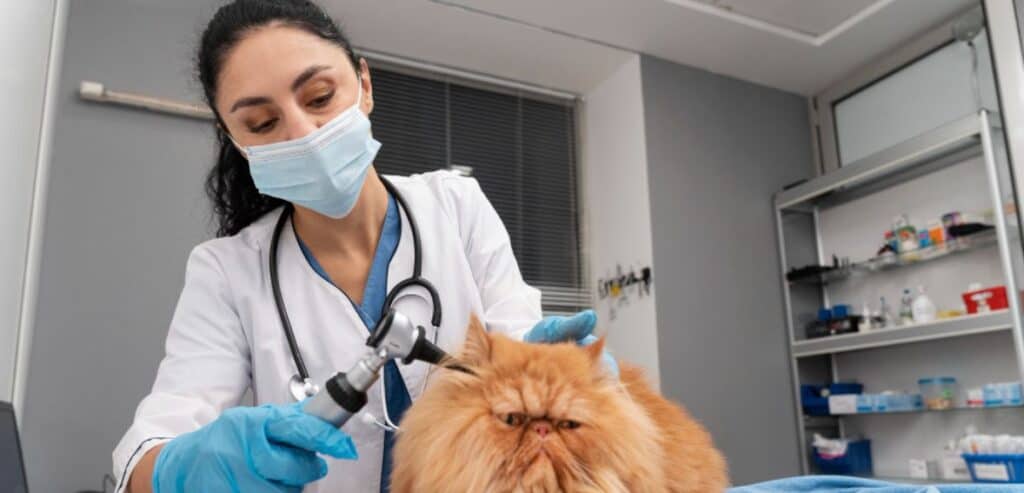
In order to grow, veterinary clinics frequently need to hire more employees, increase the range of services they offer, upgrade their equipment, or build new locations. Careful cash flow planning and an initial investment are necessary for these choices.
Even in situations where demand is present, delayed payouts create uncertainty that may impede or deter growth. Faster payouts make it easier for clinic owners to plan and carry out expansion strategies by providing them with a clearer picture of the funds that are available.
Growth feels controllable rather than dangerous when revenue cycles are punctual and predictable. Clinics may make investments with confidence because they know that their cash flow will help them achieve their goals rather than constrain them.
Enhancing Financial Forecasting and Planning
Timing is just as important to accurate financial forecasting as income totals. Cash flow estimates are distorted by delayed payouts, making it more difficult to forecast when money will be available. Budgeting, spending, planning, and investment choices become more difficult as a result. By closing the gap between income recognition and cash availability, faster payouts make forecasting easier.
Clinics are able to see their financial situation more clearly. Better decision-making is facilitated by this clarity, from organizing marketing campaigns to scheduling equipment purchases. Long-term stability requires proactive rather than reactive financial planning. Understanding broader veterinary payment trends helps clinics forecast cash flow more accurately and align payout timing with real operational demands.
Improving Relationships with Vendors and Partners
Strong ties with vendors, laboratories, and service providers are essential to veterinary clinics. Paying on time fosters confidence and may result in volume discounts, better terms, or priority service. These connections may be strained when clinics are forced to extend payment cycles due to delayed payouts.
Clinics are able to pay vendors on time and regularly due to faster payouts. This dependability increases negotiating power and strengthens alliances over time. Clinics that exhibit consistency and financial discipline are more likely to be accommodated by vendors. The entire ecology supporting veterinary care is indirectly improved by faster payouts.
Reducing Administrative Burden and Stress
Continuous monitoring, manual transfers, and backup plans are necessary for managing cash flow in delayed payout circumstances. Time and mental energy that may be better used for clinical leadership or client involvement are wasted on this administrative load.
By increasing the predictability of cash flow, faster payouts lower this overhead. Managers and owners devote more attention to operations and less time to monitoring outstanding deposits. Decision quality is also enhanced by less financial stress. Leaders may think more calmly and deliberately when they are not continuously concerned about timing gaps.
Aligning Client Payments with Clinic Operations

To increase customer convenience, modern veterinary clinics are depending more and more on digital payments, card-on-file systems, and payment plans. The advantages are somewhat diminished when these techniques are combined with slow payout schedules.
Faster payouts ensure that customer convenience translates into clinic efficiency by coordinating client payment behavior with clinic operations. The practice’s whole financial system is strengthened by this connection. Both parties experience smooth payments, which strengthens professionalism and confidence.
Supporting Better Client Experiences
Many clinic operators are unaware of how much cash flow stability impacts the client experience. Clinics may postpone improvements, cut back on staffing, or restrict treatment options when money is tight.
By guaranteeing that resources are accessible when needed, faster payouts promote consistent service quality. Clinics are free to make investments in improved technology, comfortable spaces, and employee training. Even if they are unaware of the underlying financial mechanisms, clients are aware of these benefits. Better experiences, more loyalty, and favorable word-of-mouth are all indirectly influenced by faster payouts.
Technology, Payments, and Faster Settlement Cycles

Veterinary clinics now have greater access to faster payouts because of advancements in payment technology. Current processors provide integrated financial dashboards, real-time reporting, and same-day or next-day settlements. Clinics that use these techniques increase their exposure and speed. Better data and faster payouts enable clinics to proactively manage their cash flow.
Instead of being merely a tool for transactions, technology starts to facilitate financial well-being. Clinics that adopt faster settlement cycles set themselves up for increased flexibility in a competitive industry. Choosing the right credit card processing setup is foundational to enabling faster payouts, seamless client payments, and smoother financial operations in veterinary clinics.
Building Financial Resilience in Uncertain Times
Unexpected events, seasonal variations, and economic instability can all cause financial difficulties for veterinary clinics. By guaranteeing that clinics have instant access to earned income, faster payouts increase resiliency.
Clinics can absorb shocks without being immediately disrupted due to this liquidity, which serves as a buffer against uncertainty. Being financially resilient means being ready for obstacles rather than trying to avoid them. By having resources available when they are most required, faster payouts help to ensure that readiness.
Using Faster Payouts to Strengthen Pricing and Service Models

Additionally, veterinary clinics are more confident in their ability to create flexible pricing and service models when they receive faster payouts. Clinics can easily provide wellness plans, bundled services, memberships, or payment plans without worrying about delayed cash inflows when income is accessible fast.
Clinics can meet client expectations while maintaining operational stability because of this flexibility. Faster fund availability guarantees that installment-based services won’t put a strain on finances, particularly during slower times. Knowing that their cash position is still solid, clinics can try new products, modify pricing schemes, or launch loyalty programs.
Over time, this flexibility aids clinics in striking a balance between sustainable profits and pet owner affordability. Faster payouts promote both accessibility and long-term profitability by transforming price strategy from a cautious compromise into a proactive instrument.
The Long-Term Impact on Clinic Ownership
Faster rewards change the clinic owners’ emotional connection to the company. One of the main factors contributing to veterinary professionals’ burnout is financial stress. Ownership feels more sustainable when cash flow is timely and predictable.
Owners don’t have to worry about money all the time, so they may invest in professional growth, take holidays, and think long-term. Faster payouts promote both individual and corporate well-being. This eventually results in more stable practices and healthier leadership.
Conclusion: Faster Payouts as a Strategic Advantage
For veterinary clinics, faster payouts constitute a strategic benefit rather than just a financial convenience. Clinics gain stability, flexibility, and trust in all facets of their operations by optimizing cash flow timing.
Growth feels attainable, inventory management is better, payroll becomes predictable, and dependency on debt declines. Faster reimbursements also lessen administrative strain and stress, freeing up clinic administrators to concentrate on long-term goals, treatment, and culture.
Financial systems should help, not impede, the objective in an industry where accuracy and compassion are critical. Faster payouts strengthen the basis for long-term veterinary care by bringing revenue into line with reality.
FAQs
How do faster payouts differ from generating more revenue?
Faster payouts ensure that earned revenue is available when expenses are due, improving cash timing rather than increasing total income.
Do faster payouts reduce the need for credit lines?
Yes. Faster access to funds often eliminates the need for short-term borrowing to cover payroll, supplies, or inventory.
Do faster payouts change how clients pay?
No. Faster payouts operate in the background and do not affect the customer payment experience or payment methods.
Do only large veterinary clinics benefit from faster payouts?
No. Small and mid-sized clinics often benefit the most because their cash flow cycles are tighter.
How quickly do clinics notice the impact of faster payouts?
Most clinics see improved liquidity and reduced financial stress within the first few settlement cycles.