
By Charles West November 7, 2024
Payment processing is an essential aspect of any business, including veterinary clinics. It refers to the handling of financial transactions between a customer and a business, ensuring that payments are securely and efficiently processed. In the context of veterinary clinics, payment processing involves the collection of fees for services rendered, such as consultations, surgeries, medications, and other treatments.
Why does payment processing matter for veterinary clinics? The answer lies in the importance of seamless and secure financial transactions for both the clinic and its clients. Veterinary clinics rely on timely and accurate payments to sustain their operations, while clients expect convenient and hassle-free payment options. In this article, we will explore the various aspects of payment processing in veterinary clinics, including its understanding, benefits, implementation, security, and common challenges.
Understanding Payment Processing in Veterinary Clinics
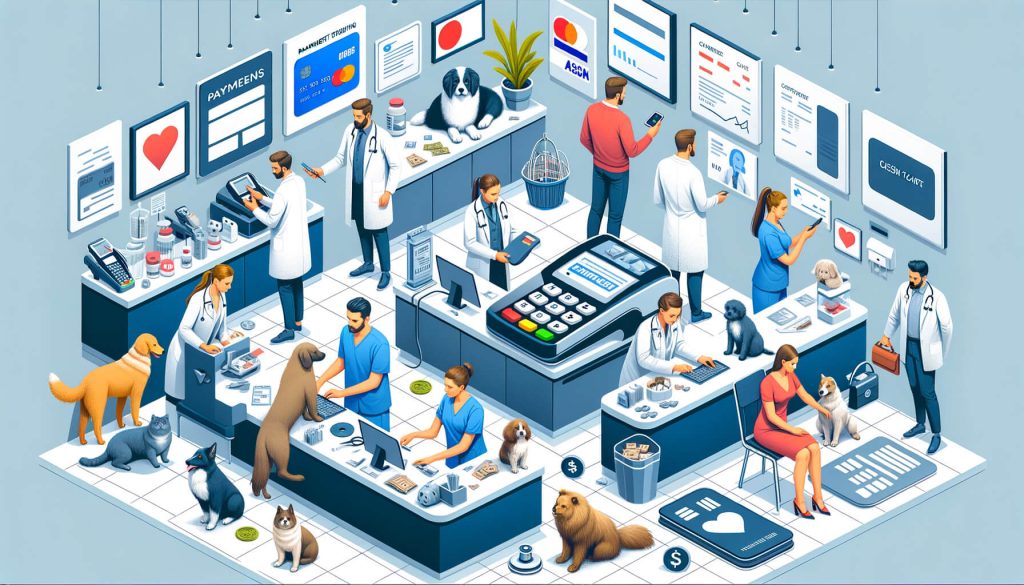
To understand payment processing in veterinary clinics, it is crucial to grasp the underlying mechanisms involved. When a client visits a veterinary clinic and avails of its services, they are presented with a bill or an invoice detailing the charges incurred. The client then has several options to make the payment, including cash, checks, credit or debit cards, and digital payment methods.
Once the client chooses a payment method, the veterinary clinic initiates the payment processing. This typically involves the use of a payment gateway, which acts as a secure intermediary between the clinic and the client’s chosen payment method. The payment gateway securely transmits the payment information to the respective financial institution for authorization and processing.
Upon successful authorization, the payment is transferred from the client’s account to the veterinary clinic’s account. The clinic receives a confirmation of the payment, and the transaction is considered complete. The entire process, from the client’s payment initiation to the clinic’s receipt of funds, constitutes payment processing in veterinary clinics.
Benefits of Implementing Payment Processing Systems in Veterinary Clinics

Implementing payment processing systems in veterinary clinics offers numerous benefits for both the clinic and its clients. Let’s explore some of the key advantages:
- Improved Cash Flow: By implementing payment processing systems, veterinary clinics can ensure timely and efficient collection of payments. This leads to improved cash flow, allowing clinics to meet their financial obligations promptly and invest in necessary equipment, supplies, and staff.
- Convenience for Clients: Offering multiple payment options, such as credit or debit cards, digital wallets, and online payment portals, provides convenience for clients. They can choose the method that suits them best, eliminating the need for carrying cash or writing checks.
- Faster Transaction Processing: Payment processing systems enable faster transaction processing, reducing waiting times for both clients and clinic staff. This efficiency enhances the overall customer experience and allows clinics to serve more clients in a given time frame.
- Reduced Administrative Burden: Manual handling of cash, checks, and invoices can be time-consuming and prone to errors. Payment processing systems automate these tasks, reducing the administrative burden on clinic staff and minimizing the risk of human error.
- Enhanced Security: Payment processing systems employ robust security measures to protect sensitive financial information. Encryption, tokenization, and secure payment gateways ensure that client data remains safe and secure, instilling trust and confidence in the clinic’s services.
- Detailed Reporting and Analytics: Payment processing systems provide comprehensive reporting and analytics capabilities. Veterinary clinics can access detailed transaction records, track revenue trends, and gain insights into client payment preferences. This data can inform business decisions and help clinics optimize their financial operations.
- Streamlined Billing and Invoicing: Payment processing systems integrate with clinic management software, enabling seamless billing and invoicing processes. This integration eliminates the need for manual data entry, reduces errors, and ensures accurate and timely invoicing for services rendered.
- Increased Revenue Opportunities: Payment processing systems can facilitate additional revenue streams for veterinary clinics. For example, clinics can offer online appointment booking and prepayment options, allowing clients to secure their appointments and make payments in advance.
- Competitive Advantage: Implementing payment processing systems sets veterinary clinics apart from their competitors. Clients appreciate the convenience and professionalism associated with modern payment options, making clinics more attractive and competitive in the market.
- Improved Client Satisfaction: Ultimately, implementing payment processing systems leads to improved client satisfaction. Clients value the convenience, security, and efficiency of modern payment methods, enhancing their overall experience with the veterinary clinic.
Choosing the Right Payment Processing Solution for Veterinary Clinics

Choosing the right payment processing solution for a veterinary clinic requires careful consideration of various factors. Here are some key considerations to keep in mind:
- Payment Methods: Evaluate the payment methods that the solution supports. Ensure that it covers a wide range of options, including credit and debit cards, digital wallets, and online payment portals. This ensures that clients have the flexibility to choose their preferred payment method.
- Integration with Clinic Management Software: Check if the payment processing solution integrates seamlessly with the clinic’s management software. This integration streamlines billing and invoicing processes, eliminates manual data entry, and reduces the risk of errors.
- Security Features: Prioritize security when selecting a payment processing solution. Look for features such as encryption, tokenization, and secure payment gateways to protect client data and ensure compliance with industry standards.
- Cost and Fees: Consider the cost and fees associated with the payment processing solution. Evaluate the pricing structure, including transaction fees, monthly fees, and any additional charges. Compare multiple solutions to find the one that offers the best value for money.
- Customer Support: Assess the customer support provided by the payment processing solution provider. Ensure that they offer reliable and responsive support channels, such as phone, email, or live chat, to address any issues or concerns that may arise.
- Scalability: Consider the scalability of the payment processing solution. As the veterinary clinic grows, it may require additional features or support for higher transaction volumes. Choose a solution that can accommodate the clinic’s future needs.
- Reputation and Reviews: Research the reputation and reviews of the payment processing solution provider. Look for testimonials from other veterinary clinics or businesses in the healthcare industry to gauge their reliability and customer satisfaction levels.
By carefully evaluating these factors, veterinary clinics can select a payment processing solution that aligns with their specific needs and goals.
Implementing Payment Processing Systems in Veterinary Clinics: A Step-by-Step Guide

Implementing payment processing systems in veterinary clinics involves several steps. Here is a step-by-step guide to help clinics navigate the implementation process:
- Assess Current Payment Processes: Begin by assessing the clinic’s current payment processes. Identify any pain points, inefficiencies, or security concerns that need to be addressed.
- Research Payment Processing Solutions: Research different payment processing solutions available in the market. Consider the factors mentioned earlier, such as payment methods, integration capabilities, security features, cost, and customer support.
- Select a Payment Processing Solution: Based on the research, select a payment processing solution that best meets the clinic’s requirements. Contact the solution provider to discuss pricing, implementation timelines, and any customization needs.
- Prepare Clinic Staff: Educate and train clinic staff on the new payment processing system. Ensure that they understand how to use the system, handle different payment methods, and address client queries or issues.
- Integrate with Clinic Management Software: If the payment processing solution offers integration with clinic management software, work with the provider to set up the integration. This ensures seamless data flow between the payment processing system and the clinic’s software.
- Configure Payment Options: Configure the payment options within the payment processing system. Set up credit and debit card processing, digital wallet integration, and online payment portals, if applicable.
- Test the System: Conduct thorough testing of the payment processing system before going live. Test different payment scenarios, ensure accurate transaction recording, and verify the integration with the clinic management software.
- Communicate with Clients: Inform clients about the new payment options available at the clinic. Update the clinic’s website, social media channels, and any other communication channels to promote the convenience and security of the new payment processing system.
- Monitor and Evaluate: Once the payment processing system is live, monitor its performance and gather feedback from clients and staff. Continuously evaluate the system’s effectiveness and make any necessary adjustments or improvements.
- Stay Updated: Keep up with the latest advancements in payment processing technology and industry regulations. Regularly review the clinic’s payment processing system to ensure it remains secure, efficient, and aligned with client expectations.
By following this step-by-step guide, veterinary clinics can successfully implement payment processing systems and reap the associated benefits.
Ensuring Payment Security and Compliance in Veterinary Clinics
Ensuring payment security and compliance is of utmost importance for veterinary clinics. Clients trust clinics with their sensitive financial information, and it is the clinic’s responsibility to protect that data. Here are some key measures to ensure payment security and compliance:
- PCI DSS Compliance: The Payment Card Industry Data Security Standard (PCI DSS) sets guidelines for securely handling credit and debit card information. Veterinary clinics should ensure that their payment processing systems comply with PCI DSS requirements.
- Encryption and Tokenization: Implement encryption and tokenization techniques to protect client payment data. Encryption converts sensitive information into unreadable code, while tokenization replaces the data with a unique identifier, reducing the risk of data breaches.
- Secure Payment Gateways: Use secure payment gateways that encrypt payment information during transmission. Look for gateways that are Payment Application Data Security Standard (PA-DSS) compliant to ensure secure data handling.
- Two-Factor Authentication: Implement two-factor authentication for accessing the payment processing system. This adds an extra layer of security by requiring users to provide a second form of verification, such as a unique code sent to their mobile device.
- Regular Security Audits: Conduct regular security audits of the payment processing system to identify vulnerabilities and address them promptly. Engage third-party security experts to perform comprehensive audits and penetration testing.
- Employee Training: Train clinic staff on best practices for handling payment information securely. Emphasize the importance of password hygiene, recognizing phishing attempts, and following security protocols.
- Data Backup and Recovery: Implement robust data backup and recovery mechanisms to protect against data loss or system failures. Regularly back up payment transaction data and test the recovery process to ensure its effectiveness.
- Compliance with Privacy Laws: Familiarize yourself with relevant privacy laws, such as the General Data Protection Regulation (GDPR) or the Health Insurance Portability and Accountability Act (HIPAA). Ensure that your payment processing system complies with these regulations.
- Regular Software Updates: Keep the payment processing system and associated software up to date with the latest security patches and updates. Regularly review and update security configurations to address emerging threats.
- Incident Response Plan: Develop an incident response plan to handle potential security breaches or data compromises. This plan should outline the steps to be taken, including notifying affected clients, engaging legal counsel, and cooperating with regulatory authorities.
By implementing these security measures and staying vigilant, veterinary clinics can safeguard client payment information and maintain compliance with industry regulations.
Common Challenges in Payment Processing for Veterinary Clinics
While payment processing systems offer numerous benefits, veterinary clinics may encounter certain challenges during implementation and operation. Here are some common challenges and strategies to overcome them:
- Integration Complexity: Integrating payment processing systems with existing clinic management software can be complex. Engage the support of the payment processing solution provider to ensure a smooth integration process.
- Client Education: Some clients may be unfamiliar with digital payment methods or hesitant to adopt new technologies. Offer educational resources, such as brochures or online tutorials, to help clients understand and embrace the new payment options.
- Technical Issues: Like any technology, payment processing systems may experience technical issues or downtime. Establish a reliable support channel with the solution provider to address any technical issues promptly and minimize disruptions.
- Payment Disputes: Occasionally, clients may dispute charges or request refunds. Establish clear policies and procedures for handling payment disputes, ensuring transparency and open communication with clients.
- Fraud Prevention: Veterinary clinics need to be vigilant about potential payment fraud. Implement fraud prevention measures, such as transaction monitoring, address verification, and card security code verification, to minimize the risk of fraudulent transactions.
- Changing Regulations: Payment processing regulations and compliance requirements may change over time. Stay updated with the latest industry regulations and adapt the payment processing system accordingly to ensure ongoing compliance.
- Staff Training: Training clinic staff on the new payment processing system is crucial for its successful implementation. Provide comprehensive training sessions and ongoing support to ensure staff members are confident and proficient in using the system.
- Client Data Security: Protecting client data is a top priority. Regularly review and update security measures to address emerging threats and vulnerabilities. Communicate your commitment to data security to clients to instill trust and confidence.
- Payment Reconciliation: Reconciling payments with services rendered can be challenging, especially in busy veterinary clinics. Implement automated reconciliation processes and regularly review transaction records to ensure accuracy.
- Evolving Payment Preferences: Payment preferences and trends may change over time. Stay attuned to client feedback and industry developments to adapt the payment processing system and offer the payment options that clients prefer.
By proactively addressing these challenges, veterinary clinics can ensure smooth payment processing operations and maintain client satisfaction.
Frequently Asked Questions
Q1: What payment methods should veterinary clinics offer?
Veterinary clinics should offer a variety of payment methods, including credit and debit cards, digital wallets, online payment portals, and traditional methods like cash and checks. Providing multiple options ensures convenience for clients.
Q2: How can payment processing systems improve cash flow for veterinary clinics?
Payment processing systems enable timely and efficient collection of payments, improving cash flow for veterinary clinics. Clients can make payments immediately, reducing the need for manual follow-ups or delayed invoicing.
Q3: Are payment processing systems secure?
Payment processing systems employ robust security measures, such as encryption, tokenization, and secure payment gateways, to protect client payment information. It is crucial to choose a reputable solution provider and stay updated with security best practices.
Q4: Can payment processing systems integrate with clinic management software?
Yes, many payment processing systems offer integration with clinic management software. This integration streamlines billing and invoicing processes, eliminates manual data entry, and ensures accurate financial records.
Q5: How can veterinary clinics handle payment disputes?
Veterinary clinics should establish clear policies and procedures for handling payment disputes. Open communication with clients, providing detailed invoices, and offering refund options can help resolve disputes amicably.