
In today’s digital age, payment gateways play a crucial role in facilitating seamless transactions for various industries, including veterinary practices. As pet ownership continues to rise, veterinary clinics are faced with the challenge of managing payments efficiently and securely.
This article will explore the role of payment gateways in veterinary payment processing, highlighting their key features, benefits, factors to consider when choosing one, common challenges in payment processing, best practices for implementation, and address frequently asked questions.
Understanding Payment Gateways: A Primer

To comprehend the role of payment gateways in veterinary businesses, it is essential to understand what payment gateways are and how they function. A payment gateway is a technology that acts as an intermediary between a veterinary practice’s website or software and the financial institutions involved in the transaction. It securely authorizes and processes payments, ensuring that sensitive customer information is protected.
Payment gateways facilitate the transfer of payment information between the veterinary practice, the customer, and the acquiring bank. They encrypt the data to prevent unauthorized access and ensure that the transaction is completed smoothly. By integrating with the practice’s software or website, payment gateways enable pet owners to make payments conveniently and securely.
Key Features of Payment Gateways for Veterinary Practices

When selecting a payment gateway for veterinary payment processing, it is crucial to consider the key features that will enhance the overall payment experience for pet owners. Some of the essential features to look for include:
- Multiple Payment Options: A payment gateway should support various payment methods, such as credit cards, debit cards, mobile wallets, and online banking. This ensures that pet owners can choose their preferred payment method, increasing convenience and satisfaction.
- Security Measures: Veterinary practices handle sensitive customer information, including payment details. A reliable payment gateway should offer robust security measures, such as encryption, tokenization, and fraud detection tools, to protect this data from unauthorized access and potential breaches.
- Integration Capabilities: Seamless integration with the veterinary practice’s software or website is crucial for a smooth payment experience. The payment gateway should provide easy-to-use APIs or plugins that can be integrated with existing systems without significant technical challenges.
- Recurring Payments: Many veterinary practices offer services that require recurring payments, such as monthly pet insurance premiums or subscription-based services. A payment gateway that supports recurring payments simplifies the billing process and ensures timely payments.
- Reporting and Analytics: Detailed reporting and analytics features allow veterinary practices to gain insights into their payment transactions. This information can help identify trends, track revenue, and make informed business decisions.
- Customer Support: A reliable payment gateway should offer excellent customer support to address any issues or concerns promptly. Responsive customer support ensures that any payment-related problems are resolved efficiently, minimizing disruptions to the veterinary practice’s operations.
Benefits of Using Payment Gateways in Veterinary Payment Processing
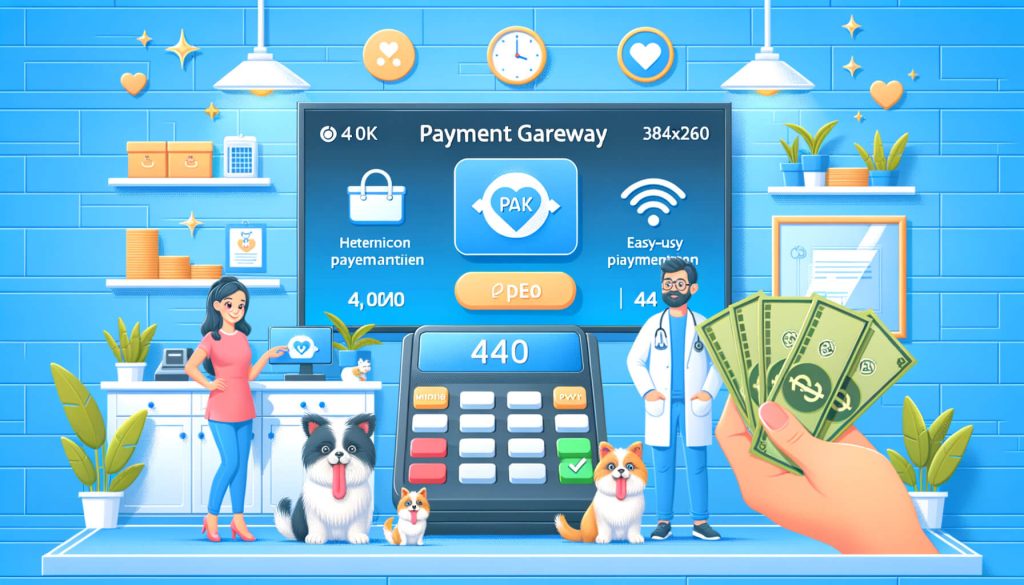
Implementing a payment gateway in veterinary payment processing offers numerous benefits for both the veterinary practice and pet owners. Some of the key advantages include:
- Convenience for Pet Owners: Payment gateways enable pet owners to make payments conveniently from anywhere, at any time. Whether it’s paying for veterinary services or purchasing pet medications online, payment gateways provide a seamless and user-friendly experience.
- Enhanced Security: Payment gateways employ advanced security measures to protect sensitive customer information. By encrypting data and adhering to industry standards, payment gateways ensure that pet owners’ payment details are secure, reducing the risk of fraud or data breaches.
- Faster Payment Processing: Traditional payment methods, such as checks, can be time-consuming and prone to errors. Payment gateways streamline the payment process, allowing veterinary practices to receive payments quickly and accurately. This improves cash flow and reduces administrative burdens.
- Improved Cash Flow Management: Payment gateways offer real-time transaction processing, allowing veterinary practices to monitor and manage their cash flow effectively. With instant payment notifications and automated reconciliation, practices can track revenue and expenses more efficiently.
- Reduced Administrative Costs: Manual payment processing can be labor-intensive and costly. By automating payment processes through payment gateways, veterinary practices can reduce administrative costs associated with manual data entry, reconciliation, and handling paper checks.
- Increased Revenue Opportunities: Payment gateways enable veterinary practices to expand their revenue opportunities by offering online services, such as telemedicine consultations or online pet product sales. By accepting payments online, practices can reach a broader customer base and generate additional revenue streams.
Factors to Consider When Choosing a Payment Gateway for Veterinary Practices
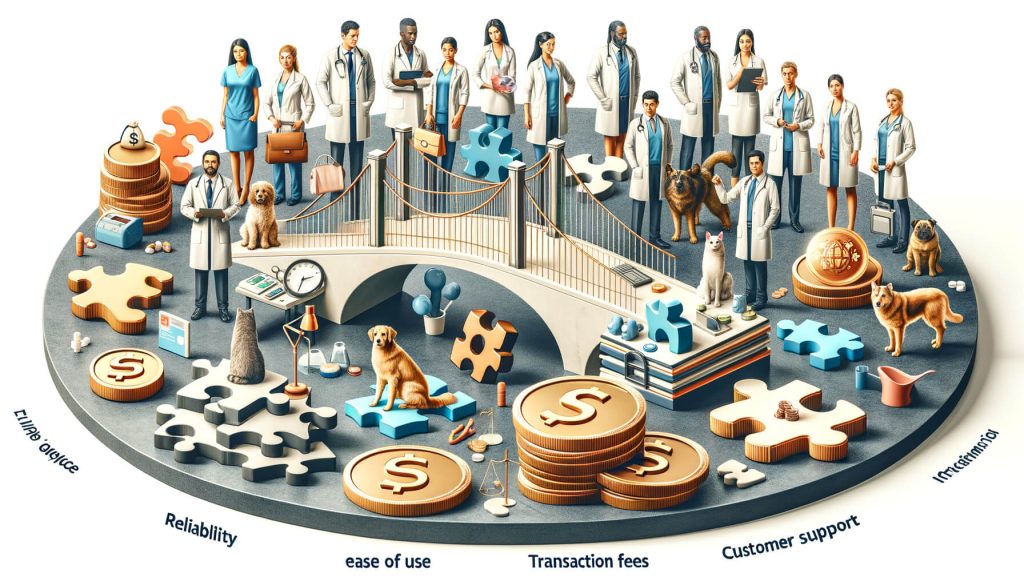
Selecting the right payment gateway for veterinary payment processing requires careful consideration of several factors. Here are some key factors to keep in mind:
- Integration Compatibility: Ensure that the payment gateway can seamlessly integrate with the veterinary practice’s existing software or website. Compatibility is crucial to avoid technical challenges and ensure a smooth payment experience for pet owners.
- Security Measures: Prioritize payment gateways that offer robust security measures, such as encryption, tokenization, and fraud detection tools. Protecting sensitive customer information is paramount to maintain trust and prevent potential breaches.
- Cost and Pricing Structure: Evaluate the cost and pricing structure of different payment gateways. Consider factors such as transaction fees, setup fees, monthly fees, and any additional charges. It is essential to choose a payment gateway that aligns with the veterinary practice’s budget and offers transparent pricing.
- Payment Options: Consider the payment options supported by the payment gateway. Ensure that it supports the most commonly used payment methods, such as credit cards, debit cards, and mobile wallets, to cater to a wide range of pet owners’ preferences.
- Customer Support: Reliable customer support is crucial when dealing with payment-related issues. Look for payment gateways that offer responsive customer support through multiple channels, such as phone, email, or live chat, to address any concerns promptly.
- Scalability: Consider the scalability of the payment gateway. As the veterinary practice grows, the payment gateway should be able to handle increased transaction volumes without compromising performance or security.
Common Challenges in Veterinary Payment Processing and How Payment Gateways Address Them
Veterinary payment processing can present several challenges for practices. However, payment gateways offer solutions to address these challenges effectively. Some common challenges and how payment gateways address them include:
- Security Concerns: Veterinary practices handle sensitive customer information, making security a top priority. Payment gateways employ encryption and tokenization techniques to protect payment data, ensuring that it remains secure throughout the transaction process.
- Payment Delays: Traditional payment methods, such as checks, can result in payment delays, impacting cash flow. Payment gateways enable real-time payment processing, ensuring that veterinary practices receive payments promptly, improving cash flow management.
- Manual Data Entry Errors: Manually entering payment information can lead to errors and reconciliation challenges. Payment gateways automate the payment process, reducing the risk of data entry errors and streamlining reconciliation procedures.
- Lack of Payment Options: Offering limited payment options can deter pet owners from making payments. Payment gateways support multiple payment methods, allowing pet owners to choose their preferred option, increasing convenience and satisfaction.
- Inefficient Billing and Invoicing: Traditional billing and invoicing methods can be time-consuming and prone to errors. Payment gateways automate billing and invoicing processes, generating accurate invoices and sending them to pet owners promptly.
- Lack of Payment Tracking: Without proper payment tracking, veterinary practices may struggle to monitor revenue and identify outstanding payments. Payment gateways provide detailed reporting and analytics features, allowing practices to track payments, identify trends, and make informed business decisions.
Best Practices for Implementing Payment Gateways in Veterinary Practices
Implementing payment gateways in veterinary practices requires careful planning and execution. Here are some best practices to ensure a successful implementation:
- Research and Compare: Conduct thorough research and compare different payment gateway providers. Consider their features, security measures, pricing, and customer support to choose the most suitable option for the veterinary practice.
- Test Integration: Before fully implementing a payment gateway, test its integration with the veterinary practice’s software or website. Ensure that the integration is seamless and that all payment features function correctly.
- Train Staff: Provide comprehensive training to staff members who will be involved in payment processing. Familiarize them with the payment gateway’s features, security protocols, and troubleshooting procedures to ensure smooth operations.
- Communicate with Pet Owners: Inform pet owners about the new payment gateway and its benefits. Provide clear instructions on how to make payments using the gateway and address any concerns or questions they may have.
- Monitor and Analyze: Regularly monitor payment transactions and analyze the data provided by the payment gateway. This will help identify any issues, track revenue, and make data-driven decisions to optimize payment processing.
- Stay Updated: Payment gateway technology is constantly evolving. Stay updated with the latest features, security enhancements, and industry trends to ensure that the veterinary practice continues to offer a seamless payment experience.
Frequently Asked Questions (FAQs)
Q1: What is a payment gateway?
A payment gateway is a technology that facilitates the secure transfer of payment information between a veterinary practice, the customer, and the acquiring bank. It authorizes and processes payments, ensuring that sensitive customer information is protected.
Q2: How does a payment gateway ensure security?
Payment gateways employ various security measures, such as encryption, tokenization, and fraud detection tools, to protect sensitive customer information. These measures prevent unauthorized access and ensure that payment data remains secure throughout the transaction process.
Q3: Can payment gateways support recurring payments?
Yes, many payment gateways support recurring payments. This feature is particularly useful for veterinary practices that offer services requiring regular payments, such as monthly pet insurance premiums or subscription-based services.
Q4: How do payment gateways improve cash flow management?
Payment gateways enable real-time payment processing, ensuring that veterinary practices receive payments promptly. With instant payment notifications and automated reconciliation, practices can track revenue and manage their cash flow more effectively.
Q5: What payment options should a veterinary practice consider when choosing a payment gateway?
Veterinary practices should consider payment gateways that support a wide range of payment options, including credit cards, debit cards, mobile wallets, and online banking. Offering multiple payment methods caters to pet owners’ preferences and increases convenience.
Q6: How can payment gateways address common challenges in veterinary payment processing?
Payment gateways address challenges such as security concerns, payment delays, manual data entry errors, lack of payment options, inefficient billing and invoicing, and lack of payment tracking. They provide robust security measures, automate payment processes, and offer detailed reporting and analytics features.
Conclusion
Payment gateways play a vital role in veterinary payment processing, ensuring seamless transactions for pet owners and efficient payment management for veterinary practices. By understanding the key features, benefits, factors to consider, and best practices for implementing payment gateways, veterinary practices can enhance the payment experience, improve cash flow management, and increase revenue opportunities.
With the right payment gateway in place, veterinary practices can focus on providing quality care to pets while ensuring a convenient and secure payment process for their owners.