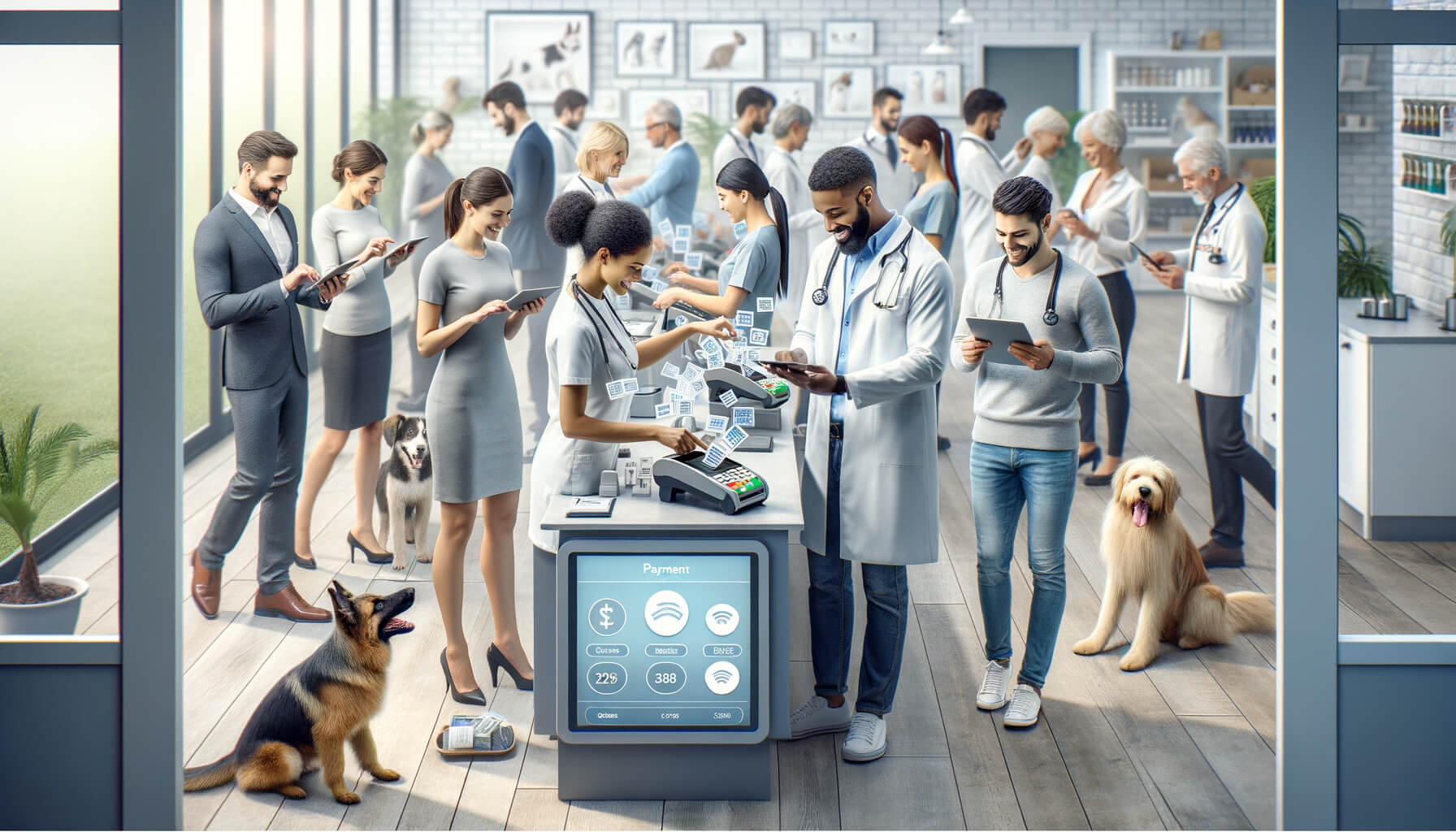
In today’s fast-paced world, veterinary clinics face increasing demands to deliver seamless and efficient services, including payment processing. A streamlined payment system not only improves cash flow but also enhances client satisfaction and operational efficiency. With various technologies and strategies available, veterinary clinics can simplify their payment processes while ensuring security and compliance.
This guide explores how veterinary clinics can streamline payment processing, covering essential strategies, technology integrations, and best practices for managing payments efficiently.
Understanding Payment Processing in Veterinary Clinics
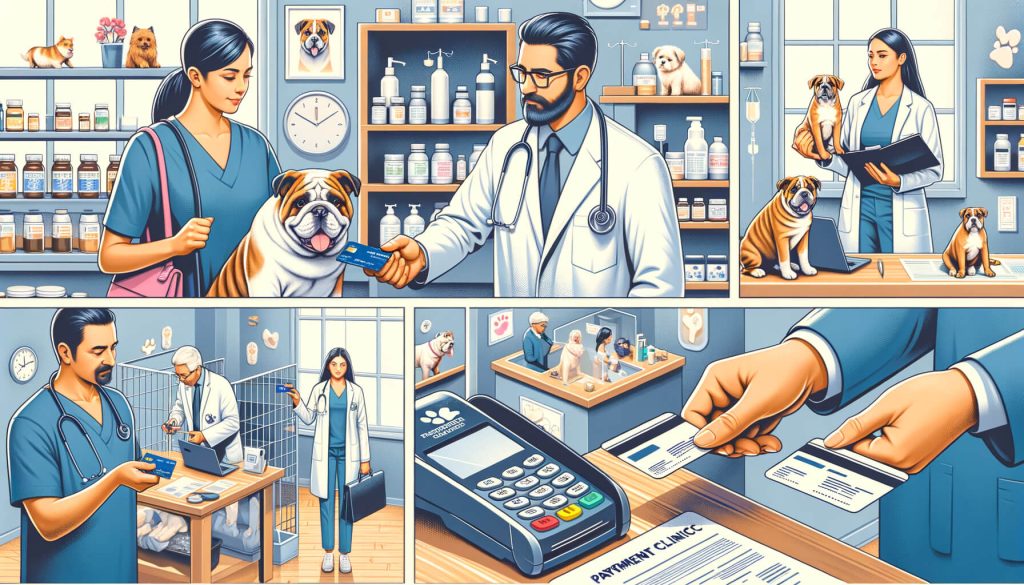
Payment processing refers to the system of handling financial transactions between a veterinary clinic and its clients. It encompasses accepting payments, managing invoicing, processing refunds, and ensuring secure transactions. A veterinary clinic typically handles payments for consultations, surgeries, diagnostic tests, medications, and other services.
Modern payment processing systems include features such as digital invoicing, mobile payment options, and automated reminders, making transactions more efficient and convenient for both clients and staff.
Key Aspects of Payment Processing in Clinics
- Multiple Payment Methods: Accepting credit cards, debit cards, ACH transfers, and digital wallets improves convenience for clients.
- Automation: Automated billing reduces manual tasks, saving time for clinic staff.
- Real-Time Reporting: Advanced systems provide real-time financial insights, enabling better cash flow management.
- Compliance and Security: Ensuring compliance with PCI DSS (Payment Card Industry Data Security Standard) is critical for protecting sensitive payment information.
By implementing robust payment systems, veterinary clinics can streamline processes, enhance client satisfaction, and reduce errors associated with manual payment handling.
Benefits of Streamlined Payment Processing Systems in Veterinary Clinics

Streamlined payment systems go beyond just processing transactions—they create efficiencies that ripple across all aspects of a clinic’s operations. These benefits include increased accuracy, enhanced client trust, and better financial planning.
1. Enhanced Client Experience
Clients expect convenience, particularly when dealing with emotional or stressful situations like a pet’s medical emergency. A streamlined payment process ensures quick and easy transactions, reducing wait times and providing peace of mind.
2. Financial Transparency
Streamlined systems provide detailed invoices and receipts that outline every charge, ensuring transparency. Clients are more likely to trust clinics that offer clear and accurate billing.
3. Reduced Errors
Automated payment systems significantly reduce errors compared to manual processing. From accurate calculations to proper tax applications, automation ensures fewer discrepancies.
4. Better Data Management
Modern systems integrate with practice management software to centralize client data. Clinics can easily track outstanding balances, generate reports, and identify revenue trends.
5. Flexible Payment Options
With streamlined systems, clinics can offer various payment methods, including credit cards, digital wallets, ACH transfers, and financing plans. These options accommodate clients with diverse needs and budgets.
Implementing Digital Payment Solutions in Veterinary Clinics
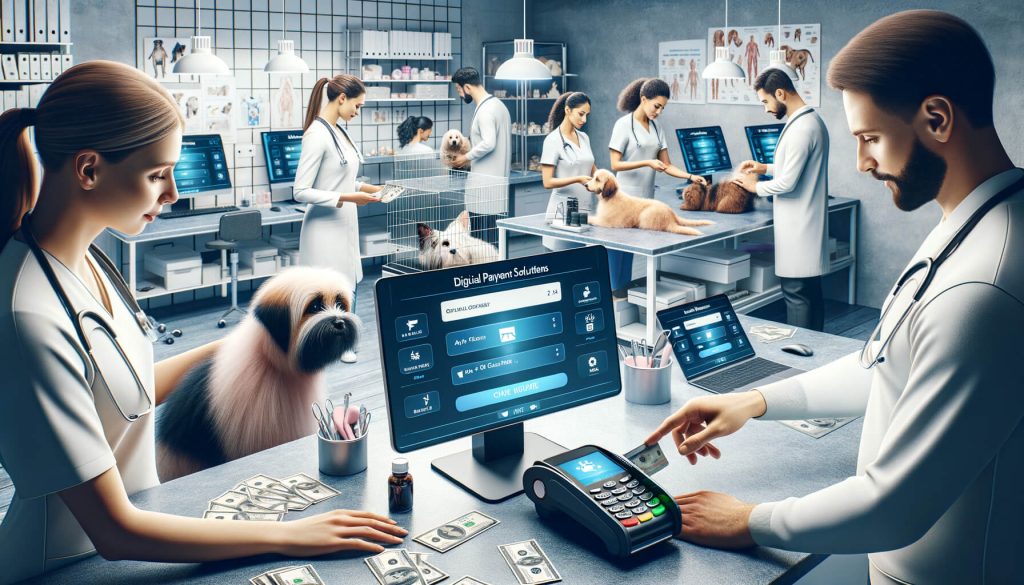
Implementing digital payment solutions in veterinary clinics involves several steps. Firstly, the clinic needs to choose the right payment processing provider that offers the necessary features and integrations with existing systems. It is essential to consider factors such as transaction fees, contract terms, customer support, and compatibility with veterinary practice management software.
Once a payment processing provider is selected, the clinic needs to set up the necessary hardware and software infrastructure. This may include installing card readers, setting up online payment portals, and integrating the payment processing system with the clinic’s practice management software.
Staff training is another crucial aspect of implementing digital payment solutions. Clinic employees should be familiar with the new payment processing system and understand how to handle different payment methods. Training should cover topics such as processing refunds, troubleshooting payment issues, and ensuring compliance with industry regulations.
Choosing the Right Payment Processing Solution for Your Veterinary Clinic

Choosing the right payment processing solution for a veterinary clinic requires careful consideration of various factors. Firstly, the clinic should assess its specific needs and requirements. For example, if the clinic primarily serves small animal clients, a solution that supports mobile payment apps may be more suitable. On the other hand, if the clinic treats large animals or offers specialized services, a solution that supports online payment portals may be more beneficial.
Additionally, the clinic should evaluate the cost structure of different payment processing providers. Transaction fees, monthly fees, and setup costs can vary significantly between providers. It is essential to compare these costs and consider the potential return on investment in terms of improved efficiency and customer satisfaction.
Integration with existing systems is another critical factor to consider. The payment processing solution should seamlessly integrate with the clinic’s practice management software to ensure a smooth flow of information and minimize manual data entry.
Lastly, customer support and reliability should be taken into account. The payment processing provider should offer responsive customer support and have a proven track record of reliability and uptime.
Integrating Payment Processing Systems with Veterinary Practice Management Software
Integrating payment processing systems with veterinary practice management software can significantly streamline the payment process. This integration allows for seamless transfer of payment information between systems, eliminating the need for manual data entry and reducing the risk of errors.
When choosing a payment processing solution, it is crucial to ensure compatibility with the clinic’s practice management software. Many payment processing providers offer integrations with popular veterinary software systems, such as AVImark, Cornerstone, and ezyVet. These integrations enable automatic synchronization of payment data, including invoices, client information, and transaction details.
By integrating payment processing systems with practice management software, clinics can generate detailed financial reports, track payment trends, and streamline the billing process. This integration also enables clinics to offer convenient features such as online appointment scheduling, automated reminders, and online invoice payments.
Ensuring Security and Compliance in Veterinary Clinic Payment Processing
Security and compliance are paramount when it comes to payment processing in veterinary clinics. Clinics handle sensitive client information, including credit card details and personal data, which must be protected from unauthorized access and potential breaches.
To ensure security, veterinary clinics should choose payment processing providers that comply with industry standards, such as the Payment Card Industry Data Security Standard (PCI DSS). This standard sets requirements for the secure handling of cardholder data and includes measures such as encryption, tokenization, and regular security audits.
Clinics should also implement additional security measures, such as secure network connections, firewalls, and antivirus software, to protect payment data from external threats. Regular staff training on data security best practices is essential to ensure compliance and minimize the risk of data breaches.
Training Staff for Efficient Payment Processing
Training staff for efficient payment processing is crucial to ensure smooth transactions and minimize errors. Staff should be familiar with the clinic’s chosen payment processing solution and understand how to handle different payment methods.
Training should cover topics such as processing credit and debit card payments, using mobile payment apps, and troubleshooting common payment issues. Staff should also be trained on how to handle refunds, void transactions, and reconcile payment records.
Additionally, staff should be educated on compliance requirements, such as the proper handling of sensitive client information and adherence to industry regulations. Regular refresher training sessions can help reinforce these practices and ensure staff members stay up to date with the latest payment processing procedures.
Overcoming Challenges in Veterinary Clinic Payment Processing
Implementing streamlined payment processing in veterinary clinics may come with certain challenges. One common challenge is resistance to change from both staff and clients. Some staff members may be hesitant to adopt new payment processing systems, especially if they are accustomed to manual methods. Similarly, clients may be resistant to using digital payment methods if they are unfamiliar with the technology.
To overcome these challenges, clinics should provide comprehensive training and support to staff members. This can include hands-on training sessions, user manuals, and ongoing assistance from the payment processing provider. For clients, clinics can offer educational materials, demonstrations, and incentives to encourage the use of digital payment methods.
Another challenge is the potential for technical issues or system downtime. Veterinary clinics rely on payment processing systems to operate smoothly, and any disruptions can impact the clinic’s revenue and customer satisfaction. To mitigate this risk, clinics should choose reliable payment processing providers with a proven track record of uptime and responsive customer support.
Frequently Asked Questions (FAQs)
Q1: What are the benefits of implementing digital payment solutions in veterinary clinics?
Implementing digital payment solutions offers benefits such as improved customer experience, reduced administrative tasks, cost savings, and enhanced security.
Q2: How can veterinary clinics choose the right payment processing solution?
Veterinary clinics should consider factors such as their specific needs, cost structure, integration capabilities, and customer support when choosing a payment processing solution.
Q3: How can payment processing systems be integrated with veterinary practice management software?
Payment processing systems can be integrated with veterinary practice management software through compatible APIs or direct integrations offered by the payment processing provider.
Q4: How can veterinary clinics ensure security and compliance in payment processing?
Veterinary clinics should choose payment processing providers that comply with industry standards, implement additional security measures, and provide staff training on data security best practices.
Q5: What challenges may veterinary clinics face when implementing streamlined payment processing?
Challenges may include resistance to change, technical issues, and system downtime. These challenges can be overcome through comprehensive training, support, and choosing reliable payment processing providers.
Conclusion
Streamlining payment processing in veterinary clinics is essential for improving efficiency, reducing costs, and enhancing the overall customer experience. By implementing digital payment solutions, clinics can offer convenient payment options, automate administrative tasks, and ensure the security of sensitive client information.
Choosing the right payment processing solution, integrating it with practice management software, and training staff are crucial steps in achieving streamlined payment processing. Despite potential challenges, veterinary clinics can overcome them by providing comprehensive training and support and selecting reliable payment processing providers. By embracing modern payment processing methods, veterinary clinics can enhance their operations and provide a seamless payment experience for both clients and staff.