By Charles West November 7, 2024
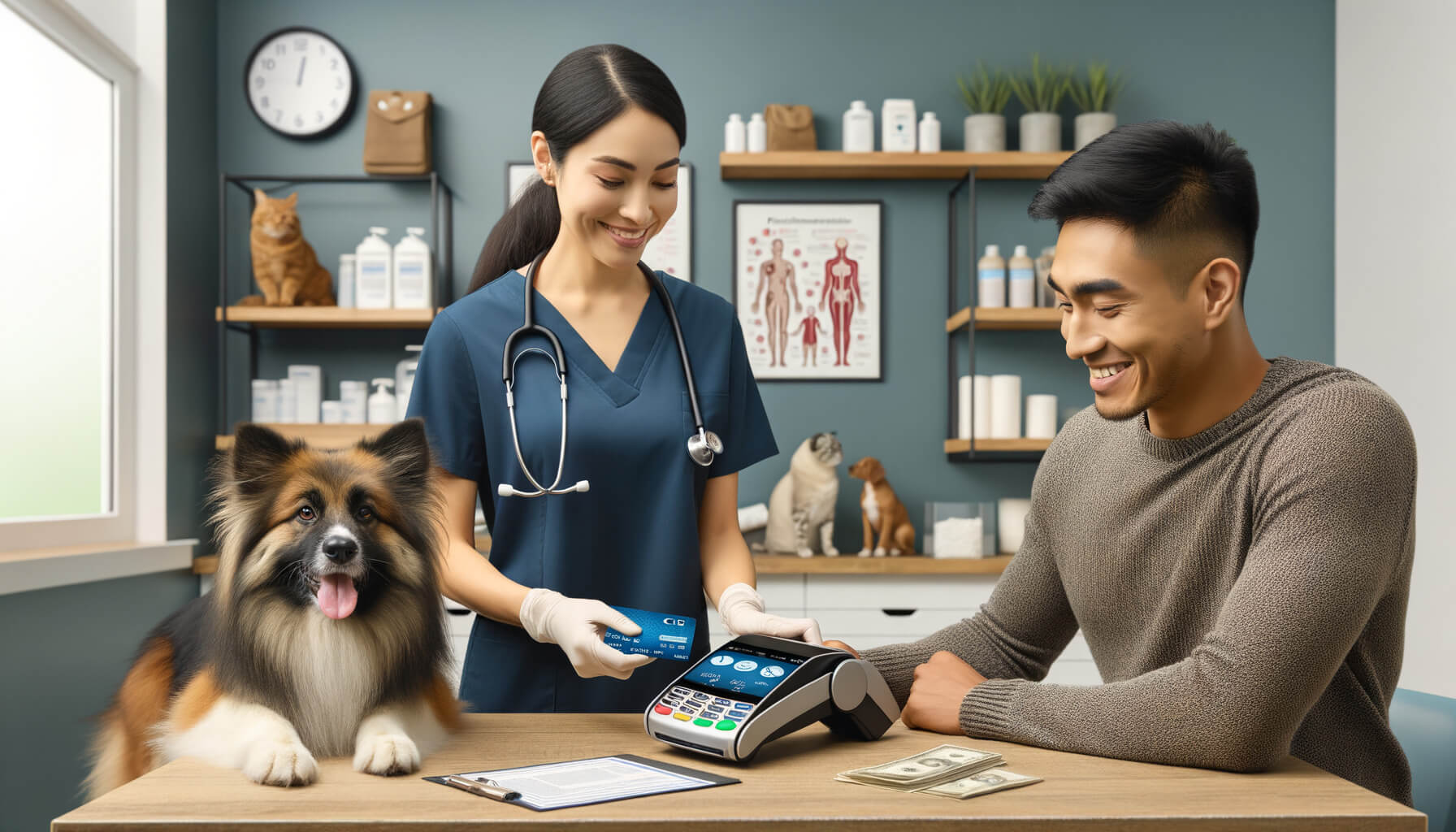
Payment processing plays a crucial role in the overall client experience in veterinary clinics. It involves the handling of financial transactions between the clinic and its clients, ensuring a smooth and convenient payment process. In today’s digital age, payment processing has evolved significantly, offering numerous benefits to both veterinary clinics and their clients.
Traditionally, payment processing in veterinary clinics involved manual methods such as cash or check payments. However, with the advancement of technology, electronic payment processing systems have become the norm. These systems allow clinics to accept various forms of payment, including credit and debit cards, mobile payments, and online portals.
Understanding Payment Processing in Veterinary Settings

Payment processing refers to the methods and systems used to handle client transactions, including credit cards, debit cards, mobile wallets, and electronic checks. In a veterinary clinic, this involves collecting payments for services such as consultations, treatments, medications, and boarding.
Core Components of Payment Processing
- Payment Gateways: These facilitate secure online transactions.
- Point-of-Sale Systems (POS): Hardware and software for in-person payments.
- Mobile Payments: Contactless payments using smartphones or wearable devices.
- Recurring Billing: Automated payments for subscription services or installment plans.
Efficient payment processing systems ensure that transactions are quick, secure, and accurate, minimizing errors and reducing the administrative burden on clinic staff.
Benefits of Streamlined Payment Processing

Streamlined payment processing offers several benefits that enhance the client experience in veterinary clinics. Firstly, it provides convenience and flexibility to clients by allowing them to choose their preferred payment method. Whether it’s paying with a credit card, debit card, or mobile payment app, clients appreciate the ability to choose what works best for them.
Moreover, streamlined payment processing reduces waiting times for clients. With traditional payment methods, clients often had to wait in line to make their payments, leading to frustration and potential delays in receiving veterinary services. However, with electronic payment systems, clients can quickly complete their transactions, minimizing wait times and improving overall satisfaction.
Another significant benefit of streamlined payment processing is the accuracy and efficiency it brings to financial transactions. Manual methods like cash or check payments are prone to human error, leading to discrepancies and potential disputes. Electronic payment systems eliminate these errors by automating the payment process, ensuring accurate and efficient transactions.
Choosing the Right Payment Processing System for Your Veterinary Clinic

Selecting the right payment processing system is crucial for veterinary clinics to enhance the client experience. There are several factors to consider when choosing a system that best suits the clinic’s needs.
Firstly, compatibility with existing clinic management software is essential. The payment processing system should seamlessly integrate with the clinic’s software to ensure a smooth flow of information and data between different systems. This integration allows for efficient record-keeping and reduces the chances of errors or discrepancies.
Secondly, the system should offer a wide range of payment options. Clients have different preferences when it comes to payment methods, and the clinic should be able to accommodate these preferences. Whether it’s accepting credit and debit cards, mobile payments, or online portals, the system should provide flexibility to cater to diverse client needs.
Additionally, security and data protection should be a top priority when choosing a payment processing system. Veterinary clinics handle sensitive client information, including financial data, and it is crucial to ensure that the system complies with industry standards and regulations. Look for systems that offer encryption, tokenization, and other security measures to protect client data.
Implementing a Seamless Payment Process in Your Veterinary Clinic
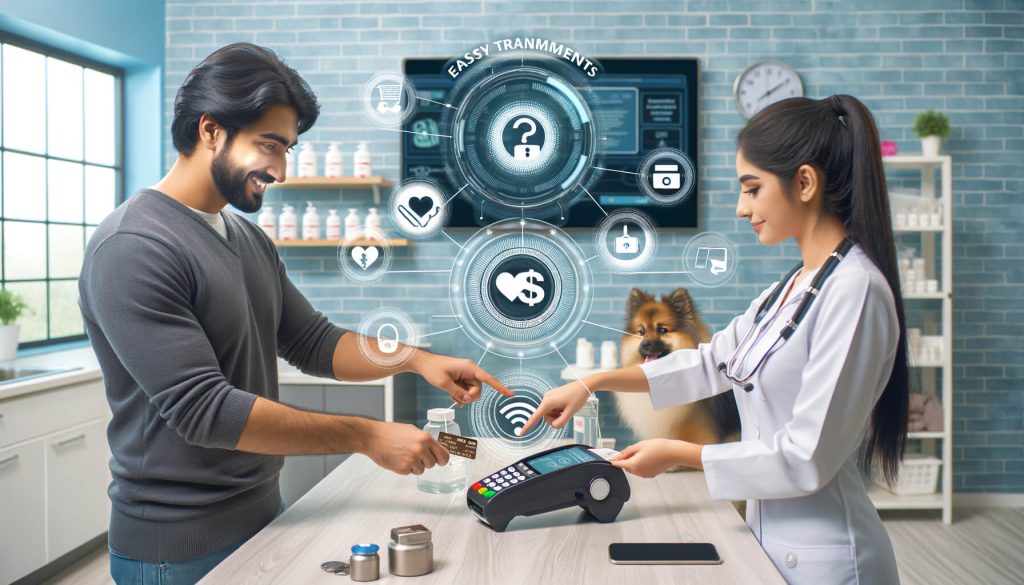
Implementing a seamless payment process in a veterinary clinic involves several steps to ensure a smooth and efficient experience for both the clinic and its clients.
Firstly, staff training is essential to familiarize employees with the payment processing system. They should be well-versed in using the system, understanding different payment methods, and troubleshooting any issues that may arise. Proper training ensures that staff can assist clients effectively and efficiently during the payment process.
Secondly, clear communication with clients is crucial. Veterinary clinics should inform clients about the available payment options and any specific instructions or requirements. This can be done through signage in the clinic, website information, or even personalized communication during appointments. Clear communication helps clients prepare for the payment process and reduces any potential confusion or frustration.
Moreover, having dedicated payment stations or terminals in the clinic can streamline the payment process. These stations should be easily accessible to clients, allowing them to make payments without disrupting the flow of the clinic’s operations. Additionally, having multiple payment stations can help reduce waiting times during peak hours, ensuring a smooth and efficient payment process.
Enhancing the Client Experience with Mobile Payment Solutions
Mobile payment solutions have revolutionized the way veterinary clinics handle financial transactions, significantly enhancing the client experience. With the increasing popularity of smartphones and mobile apps, clients now have the option to make payments using their mobile devices.
One of the key benefits of mobile payment solutions is convenience. Clients can make payments anytime, anywhere, without the need for physical cash or cards. This flexibility allows for a seamless payment process, eliminating the need for clients to carry cash or remember their wallets during veterinary visits.
Furthermore, mobile payment solutions offer enhanced security features. Many mobile payment apps utilize encryption and tokenization to protect client data, ensuring a secure transaction process. Clients can feel confident that their financial information is safe when using mobile payment solutions.
Additionally, mobile payment solutions often offer additional features that enhance the overall client experience. For example, some apps allow clients to store their pet’s medical records, schedule appointments, and receive notifications about upcoming vaccinations or check-ups. These added features provide convenience and accessibility, making the client’s experience more enjoyable and efficient.
Utilizing Online Payment Portals for Client Convenience
Online payment portals are another valuable tool for enhancing the client experience in veterinary clinics. These portals allow clients to make payments remotely, without the need to visit the clinic physically.
One of the primary benefits of online payment portals is convenience. Clients can make payments at their own convenience, whether it’s during non-business hours or from the comfort of their homes. This flexibility eliminates the need for clients to visit the clinic solely for payment purposes, saving them time and effort.
Moreover, online payment portals offer transparency and accessibility. Clients can easily access their payment history, view invoices, and track their expenses through the portal. This transparency helps clients stay organized and informed about their financial transactions with the clinic.
Additionally, online payment portals can streamline the billing process for veterinary clinics. The portals can generate and send invoices automatically, reducing the administrative burden on clinic staff. This automation allows staff to focus on providing quality care to animals and improves overall clinic efficiency.
Ensuring Data Security and Compliance in Payment Processing
Data security and compliance are critical aspects of payment processing in veterinary clinics. Handling sensitive client information, including financial data, requires strict adherence to industry standards and regulations.
To ensure data security, veterinary clinics should choose payment processing systems that offer robust security features. Encryption, tokenization, and secure data storage are essential components of a secure payment processing system. These features protect client data from unauthorized access and minimize the risk of data breaches.
Furthermore, clinics should comply with relevant regulations, such as the Payment Card Industry Data Security Standard (PCI DSS). This standard outlines the requirements for securely handling credit card information and is essential for maintaining trust with clients and payment processors. Compliance with PCI DSS involves regular security audits, vulnerability scans, and implementing necessary security measures.
Regular staff training on data security protocols is also crucial. Employees should be educated on best practices for handling client data, including secure storage, password protection, and recognizing potential security threats. By ensuring that all staff members are well-informed about data security, veterinary clinics can minimize the risk of data breaches and protect client information.
Frequently Asked Questions (FAQs)
Q1: What payment methods should veterinary clinics accept?
Veterinary clinics should aim to accept a wide range of payment methods, including credit and debit cards, mobile payments, and online portals. Offering multiple options allows clients to choose their preferred method, enhancing convenience and satisfaction.
Q2: How can mobile payment solutions benefit veterinary clinics?
Mobile payment solutions offer convenience, enhanced security, and additional features that improve the client experience. Clients can make payments anytime, anywhere, and enjoy added features such as storing medical records and scheduling appointments.
Q3: Are online payment portals secure?
Online payment portals can be secure if they are implemented correctly. Veterinary clinics should choose portals that offer encryption, tokenization, and secure data storage to protect client information.
Q4: How can veterinary clinics ensure compliance with data security regulations?
Veterinary clinics should comply with industry standards such as the PCI DSS. This involves regular security audits, vulnerability scans, and implementing necessary security measures. Staff training on data security protocols is also crucial.
Q5: What are the benefits of implementing a seamless payment process in veterinary clinics?
Implementing a seamless payment process reduces waiting times, improves accuracy and efficiency, and enhances overall client satisfaction. It allows clients to quickly complete their transactions and minimizes potential errors or disputes.
Conclusion
Payment processing plays a vital role in enhancing the client experience in veterinary clinics. Streamlined payment processing offers convenience, flexibility, and efficiency, allowing clients to choose their preferred payment method and reducing waiting times. Choosing the right payment processing system, implementing a seamless payment process, and utilizing mobile payment solutions and online portals further enhance the client experience.
Ensuring data security and compliance is crucial to protect client information and maintain trust. By prioritizing payment processing, veterinary clinics can provide a positive and convenient experience for their clients, ultimately improving overall satisfaction and loyalty.